

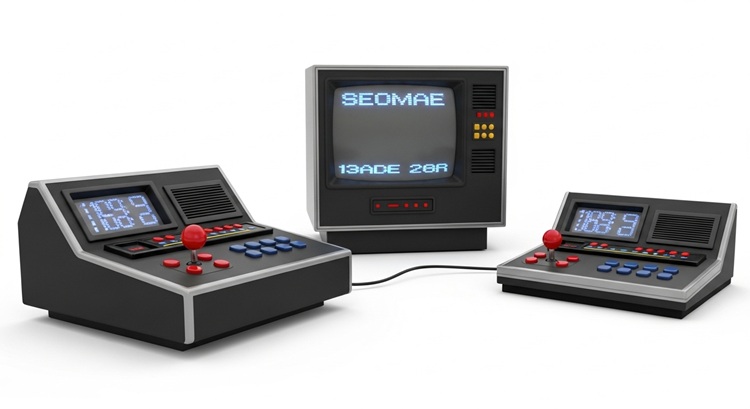
Old games have always been popular, but new technologies have made reselling them far easier and more appealing to both sellers and buyers. Sites like eBay and PriceCharting make it simple to see what classic games and consoles are going for. This surge in popularity has pushed prices higher, replicating the classic car and antique market.
ContentsThe 20-year Itch Is Hitting A New Generation
Collector markets usually adhere to a pretty predictable timeframe. People repurchase their childhoods roughly two decades after the event, give or take a few years based on their financial stability. We saw that play out with NES and SNES hardware a decade ago. Now the wave is hitting the GameCube, PlayStation 2, and early Xbox era – the consoles Millennials had as teenagers.
No, it’s not a coincidence. It’s the same demographic coming into their big income years at the same time that digital storefronts across the industry are being shut down. Not that long ago, when the 3DS and Wii U eShops closed, players who had amassed dozens of digital titles saw them rendered inaccessible for the foreseeable future. This isn’t a doomsday hypothetical anymore, this is what actually happened. The response was predictable: heightened demand for physical media that no amount of server shutdowns can take away from you.
Scarcity Is Real, And It’s Getting Worse
Physical video games released in the 1980s and 1990s are actually falling apart. Cardboard boxes of that era were not intended to last 40 years. An intact-in-box NES game with an undamaged manual is increasingly hard to come by, not because people are prospecting, but because most of them were thrown out or simply rotted away.
Optical media has the same problem. Disc rot, the chemical breakdown of the reflective layer in early CDs and DVDs, is quietly destroying Sega Saturn and early PlayStation games. A game that played fine in 1998 may be unreadable today. Working, clean copies of affected titles are in fact becoming scarce, and the market is pricing them accordingly.
WATA Games and CGC Video Games grading services have institutionalized this rarity. A professionally graded, sealed copy of a high-demand title now trades on recorded provenance and verified condition – the same logic that governs the comic book and trading card industries. Heritage Auctions has brought vintage games to the same arena as fine art and rare coins, and the collectors have trailed in.
The Collector-Player Hybrid
Something shifted in the collector community over the last few years, and it’s worth paying attention to. The old “player vs. collector” divide has largely dissolved. The person hunting down a complete N64 set today almost certainly wants to actually play the thing – on original hardware, through a CRT, with a real cartridge in their hand. Emulation is free and works fine. It’s just not the same.
At the same time, they’re not oblivious to what’s sitting on their shelf. Limited Run Games figured this out early – if you press a physical edition of a digital-only title, collectors will happily pay over the odds for it, partly because digital ownership has turned out to be a lot more fragile than anyone expected.
That mix of genuine enthusiasm and quiet financial awareness is actually what keeps this market from going the way of pure speculation. The floor holds because there are real people who want these games, not just investors waiting to flip them. It’s a more honest ecosystem than it might look from the outside.
Selling Smart In A High-Value Market
The rise in valuations inevitably breeds the oldest problem in collecting: fakes. Reproduction cartridges that visually match originals in all but the tiniest ways have flooded organic markets. A buyer on a social media group or general auction site has no reliable way to verify authenticity without physical inspection, and sellers often don’t know what they have either.
According to the 2023 eBay Re-Commerce Report, around 56% of Gen Z and Millennial sellers cite financial gain as their primary motivation for offloading pre-owned goods, with vintage electronics and media among the fastest-growing categories. Most of those sellers are leaving money on the table by using platforms that weren’t designed for this kind of transaction.
If you’re liquidating part of a collection or upgrading hardware, platform choice matters more than most people realize. Finding the best place to sell video game systems means using a buyer who can accurately identify what you have, distinguish originals from reproductions, and offer pricing that reflects actual market conditions – not the first number that shows up on a quick search.
What’s Driving This Forward
The supply of mint physical media is only getting smaller. Digital storefronts are forever closing. The GameCube/PS2 generation is still early in their peak earning years. None of these trends will be reversing.
Classic video games have gone through the same progression as comic books, vinyl records, and old sneakers. From consumable products to cataloged collectibles with a standardized grading system and major auction house presence. This isn’t a bubble. It’s a maturation of the market due to scarce underlying items, motivated buyers, and a capitalistic system that can finally support real transactions.